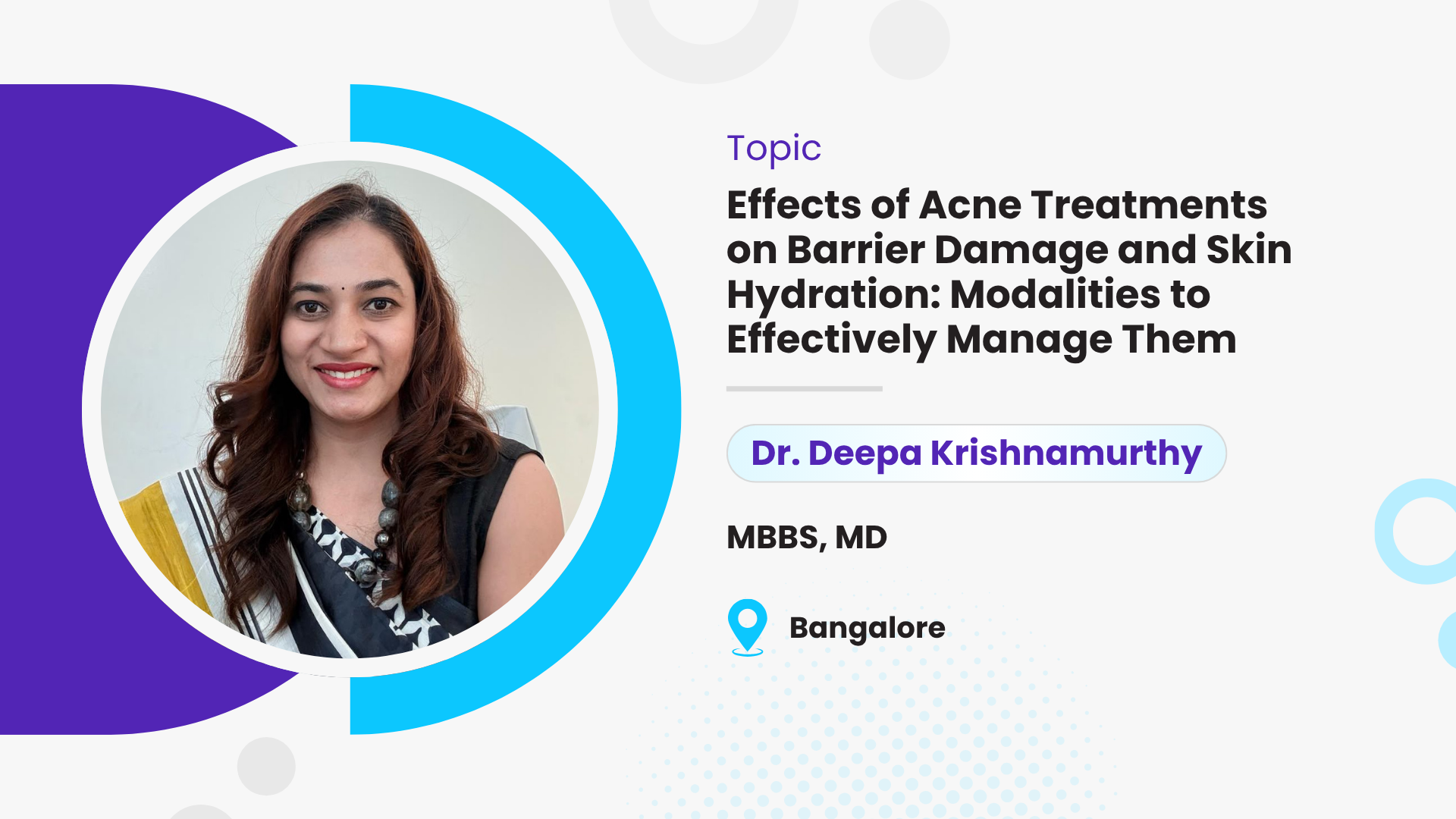
Melasma and Hyperpigmentation - Is SPF50 Enough?
Pigmentary disorders, including melasma, post-inflammatory hyperpigmentation (PIH), vitiligo, and lichen planus pigmentosus, are among the most frequent reasons for dermatology consultations worldwide, with a greater burden in individuals with darker skin phototypes. Melasma, the most common acquired hyperpigmentation disorder, is a multifactorial condition characterized by increased melanocyte activity, dermal inflammation, vascular alterations, oxidative stress, and photoaging, contributing to its chronic course and high recurrence rate. [1]Ultraviolet radiation, visible light, heat, and infrared radiation also contribute to melanogenesis, highlighting the need for comprehensive photoprotection that extends beyond SPF to include broad-spectrum UVA protection, visible light protection, and antioxidant-based strategies for reducing pigmentation recurrence and improving long-term clinical outcomes. [2]
Reference(s):
1. Ali L, Al Niaimi F. Pathogenesis of Melasma Explained. Int J Dermatol. 2025;64(7):1201-1212. doi:10.1111/ijd.17718 https://pmc.ncbi.nlm.nih.gov/articles/PMC12207721/
2. Brar G, Dhaliwal A, Brar AS, et al. A Comprehensive Review of the Role of UV Radiation in Photoaging Processes Between Different Types of Skin. Cureus. 2025;17(3):e81109. Published 2025 Mar 24. doi:10.7759/cureus.81109 https://pmc.ncbi.nlm.nih.gov/articles/PMC12018068/
Recent Videos
Effects of Acne Treatments on Barrier Damage and Skin Hydration: Modalities to Effectively Manage Them
Evolving Role of Skin Microbiome Support in Acne Care
Melasma and Hyperpigmentation - SPF50 v/s SPF100+
Barrier Damage in Acne – Significance of Active Ceramides in Acne Moisturizer
Melasma and Hyperpigmentation - Is SPF50 Enough?
Barrier Damage in Acne – Significance of Active Ceramides in Acne Moisturizer
Melasma and Hyperpigmentation - SPF50 v/s SPF100+