Melasma and Hyperpigmentation - Is SPF50 Enough?
Pigmentary disorders, including melasma, post-inflammatory hyperpigmentation (PIH), vitiligo, and lichen planus pigmentosus, are among the most common reasons for dermatology consultations worldwide. They account for approximately 8–15% of outpatient dermatology visits globally, with the burden increasing to 20–30% in India due to higher ultraviolet (UV) exposure and the predominance of Fitzpatrick skin types IV–V, which are more prone to dyschromia. Among these, melasma is the most prevalent chronic acquired hyperpigmentation disorder, characterized by symmetrical brown-to-gray macules over the centrofacial, malar, or mandibular regions.[1] Current evidence recognizes melasma as a complex, multifactorial disease involving epidermal melanocyte hyperactivity, basement membrane disruption, dermal inflammation, fibroblast activation, vascular proliferation, mast cell infiltration, and solar elastosis. These pathological changes contribute to its chronicity, treatment resistance, and frequent recurrence. UVA and UVB, the two primary components of UV radiation, contribute distinctly to photoaging.[2] While UVB induces direct DNA damage and inflammation, UVA penetrates deeper into the dermis and is a major driver of persistent pigmentation. Emerging evidence also highlights the significant role of visible light, which promotes melanogenesis through opsin receptor activation and oxidative stress, particularly in darker skin phototypes. Heat and infrared radiation further amplify these pigmentary pathways. Photoprotection therefore remains the cornerstone of management. Regular use of SPF 50+ sunscreen has been shown to significantly reduce melasma severity, with studies reporting up to a 44% reduction in Melasma Area and Severity Index (MASI) scores over 24 weeks. However, SPF primarily reflects UVB protection and does not adequately address UVA1, visible light, or oxidative stress. Furthermore, under-application, inadequate reapplication, and cosmetic acceptability issues often compromise real-world effectiveness. Optimal management requires a comprehensive photoprotection strategy that extends beyond SPF alone. Broad-spectrum sunscreens with high UVA protection, tinted formulations containing iron oxides for visible light protection, and antioxidant-based formulations targeting oxidative stress provide a more holistic approach to preventing pigmentation recurrence and improving long-term clinical outcomes.
Reference(s):
1. Ali L, Al Niaimi F. Pathogenesis of Melasma Explained. Int J Dermatol. 2025;64(7):1201-1212. doi:10.1111/ijd.17718 https://pmc.ncbi.nlm.nih.gov/articles/PMC12207721/
2. Brar G, Dhaliwal A, Brar AS, et al. A Comprehensive Review of the Role of UV Radiation in Photoaging Processes Between Different Types of Skin. Cureus. 2025;17(3):e81109. Published 2025 Mar 24. doi:10.7759/cureus.81109 https://pmc.ncbi.nlm.nih.gov/articles/PMC12018068/
Recent Videos
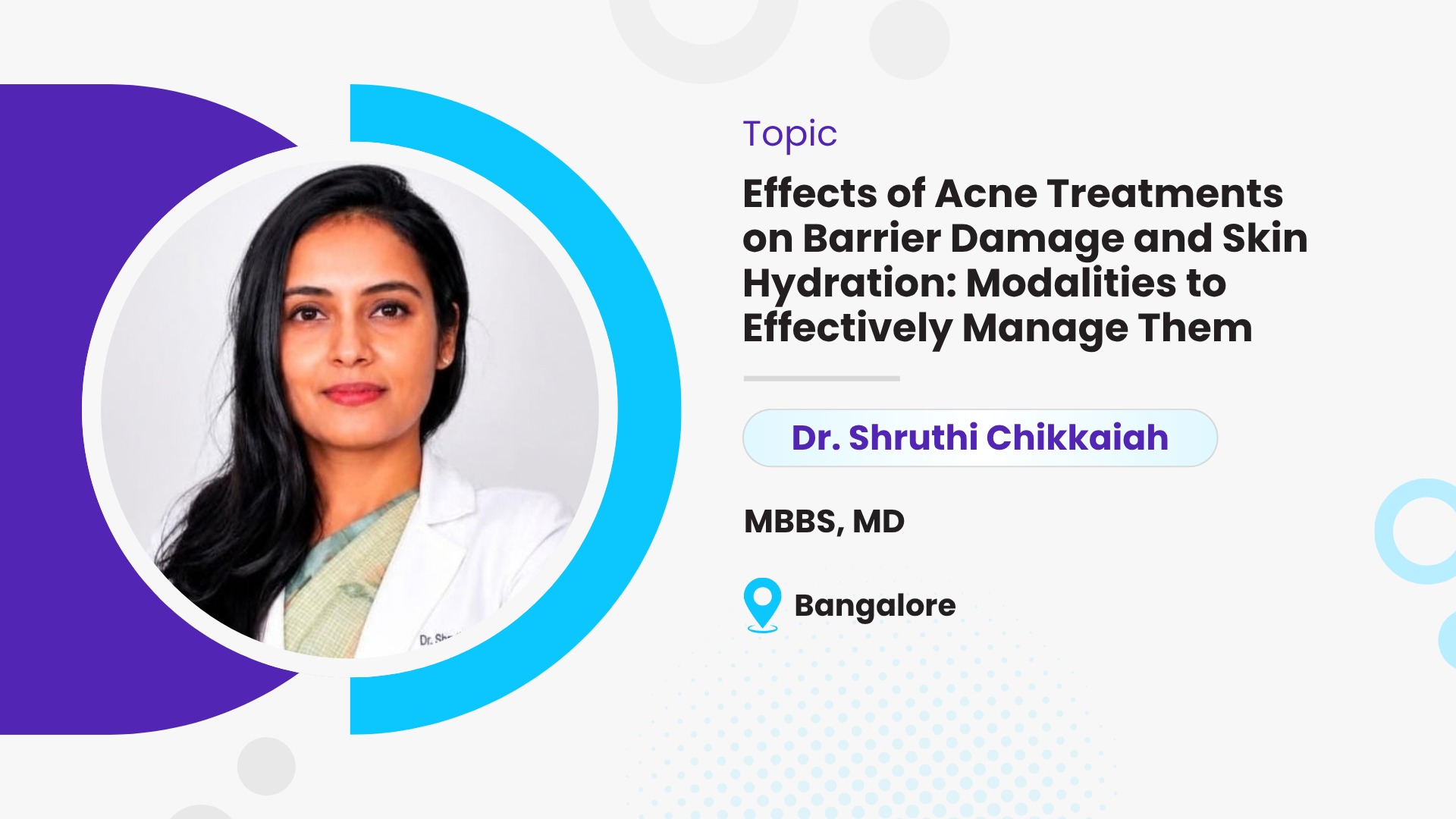
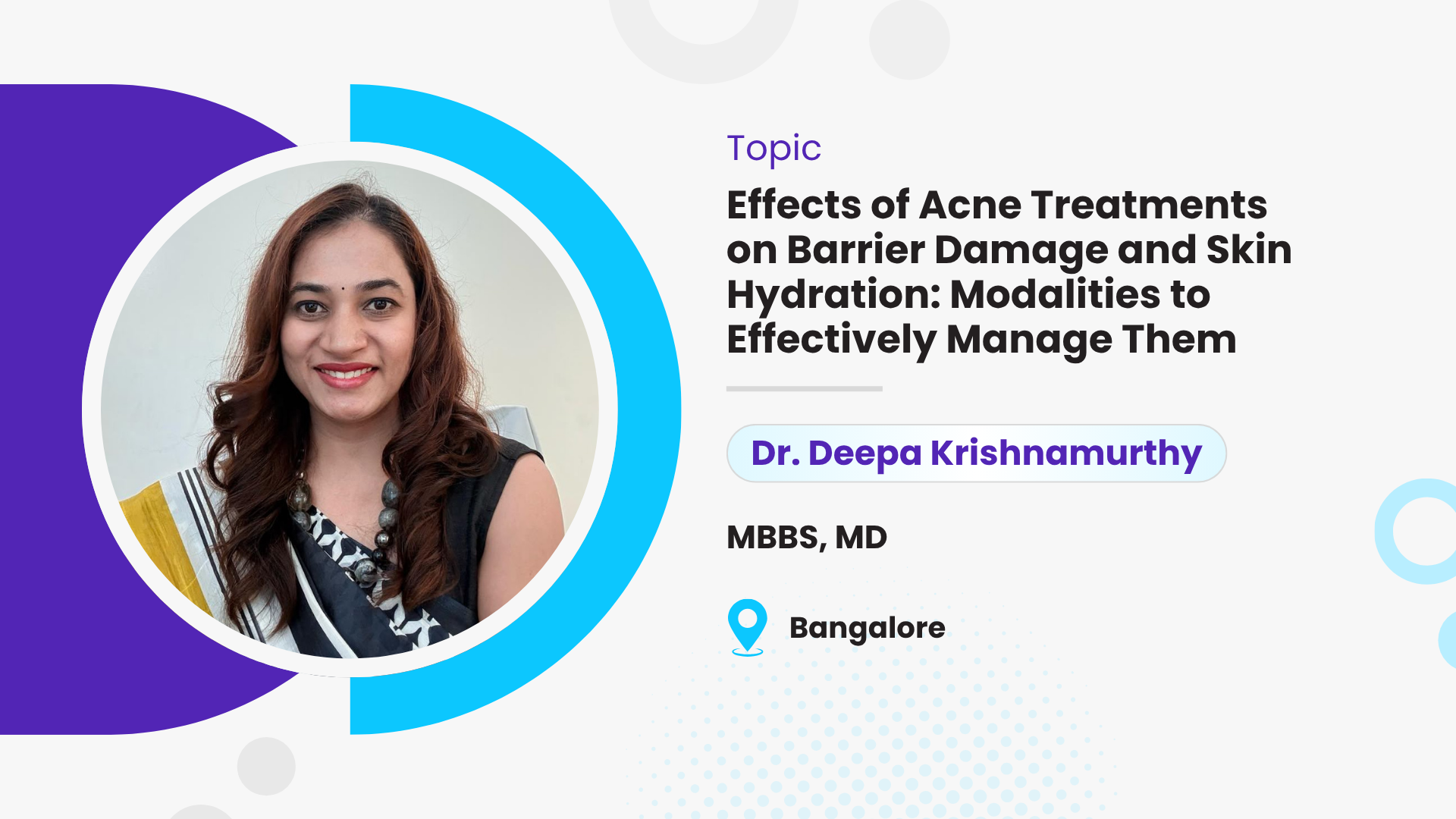
Effects of Acne Treatments on Barrier Damage and Skin Hydration: Modalities to Effectively Manage Them

Evolving Role of Skin Microbiome Support in Acne Care
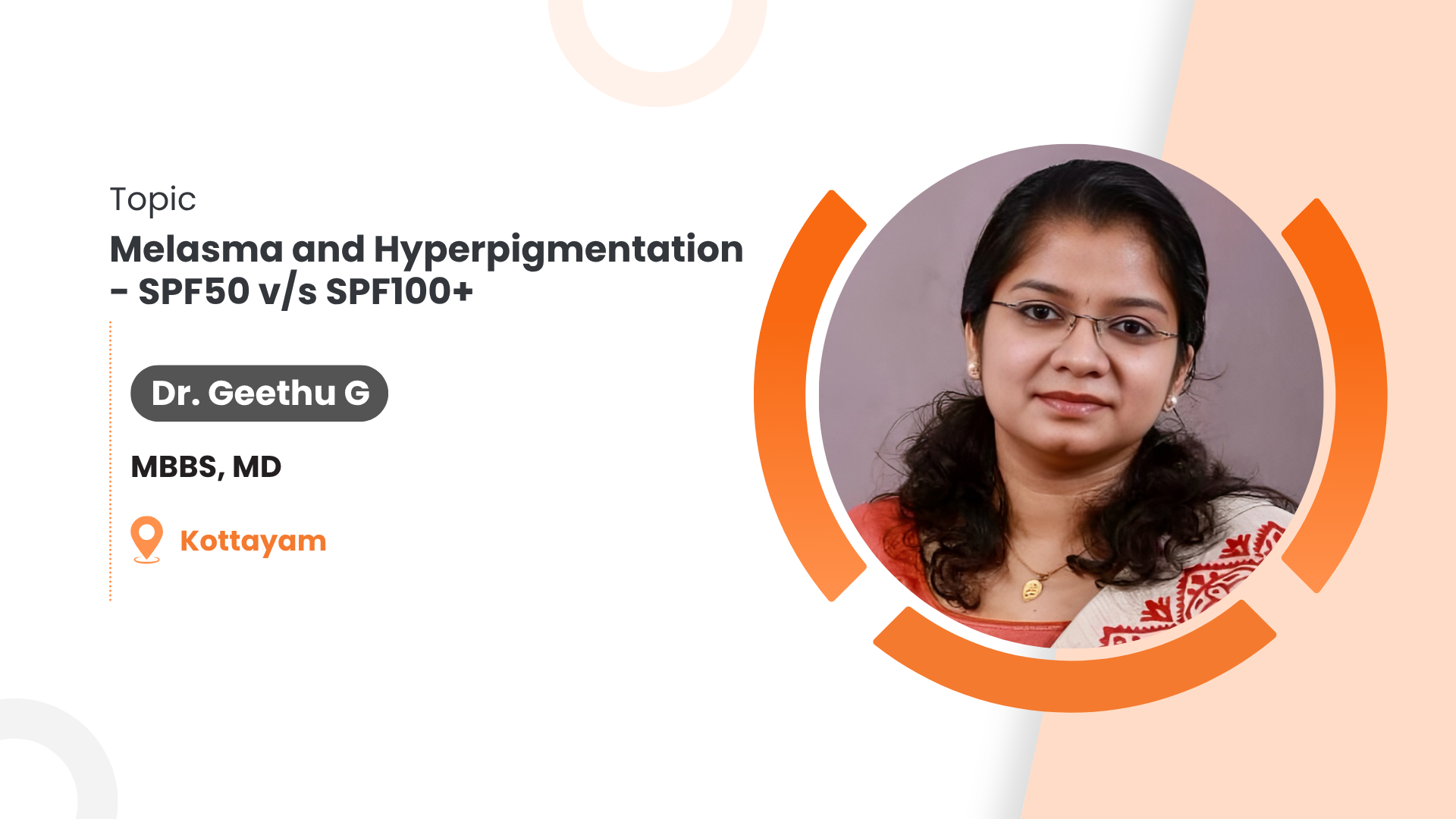
Melasma and Hyperpigmentation - SPF50 v/s SPF100+
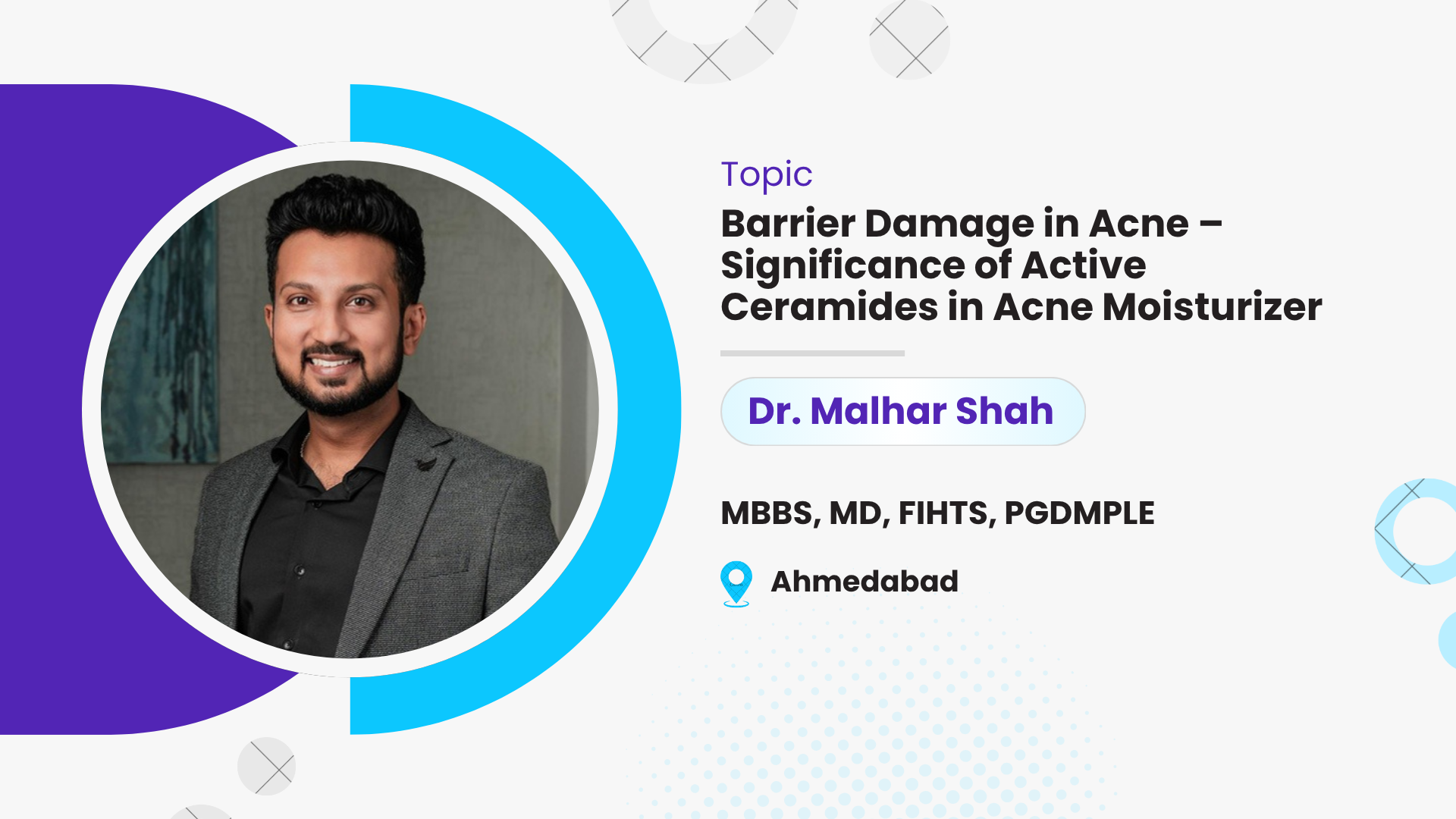
Barrier Damage in Acne – Significance of Active Ceramides in Acne Moisturizer
Melasma and Hyperpigmentation - Is SPF50 Enough?
Barrier Damage in Acne – Significance of Active Ceramides in Acne Moisturizer
Melasma and Hyperpigmentation - SPF50 v/s SPF100+